Metal Castings: Comprehensive Guide to Production, Quality, and Application
Aluminum Castings Explained: Secret Benefits and Solutions for Your Manufacturing Needs
Light weight aluminum spreadings play a considerable role in modern-day production. Their durable and light-weight nature makes them suitable for different applications. Industries such as aerospace and vehicle benefit from their flexibility. Recognizing the advantages and the manufacturing process of aluminum castings is essential. Furthermore, choosing the appropriate service carrier can affect quality and efficiency. What factors should be considered when choosing a light weight aluminum casting solution? Checking out these elements reveals important understandings.
Advantages of Aluminum Castings
Light weight aluminum castings use countless benefits that make them a preferred choice in various markets. Among the key advantages is their light-weight nature, which substantially reduces shipping and managing costs. Furthermore, light weight aluminum displays outstanding deterioration resistance, guaranteeing durability and lowered maintenance for items made from this product. The versatility of light weight aluminum permits elaborate styles and complicated forms, giving producers with higher versatility in production.
Furthermore, light weight aluminum spreadings possess good thermal and electric conductivity, making them appropriate for a range of applications requiring warm dissipation or electric parts. The product additionally has a high strength-to-weight proportion, making it possible for the manufacturing of resilient yet lightweight parts. Furthermore, light weight aluminum can be recycled without shedding its buildings, advertising sustainability in manufacturing procedures. On the whole, these advantages make aluminum spreadings a reputable and effective option for producers seeking top quality and efficiency in their items.
Applications of Light Weight Aluminum Castings in Different Industries
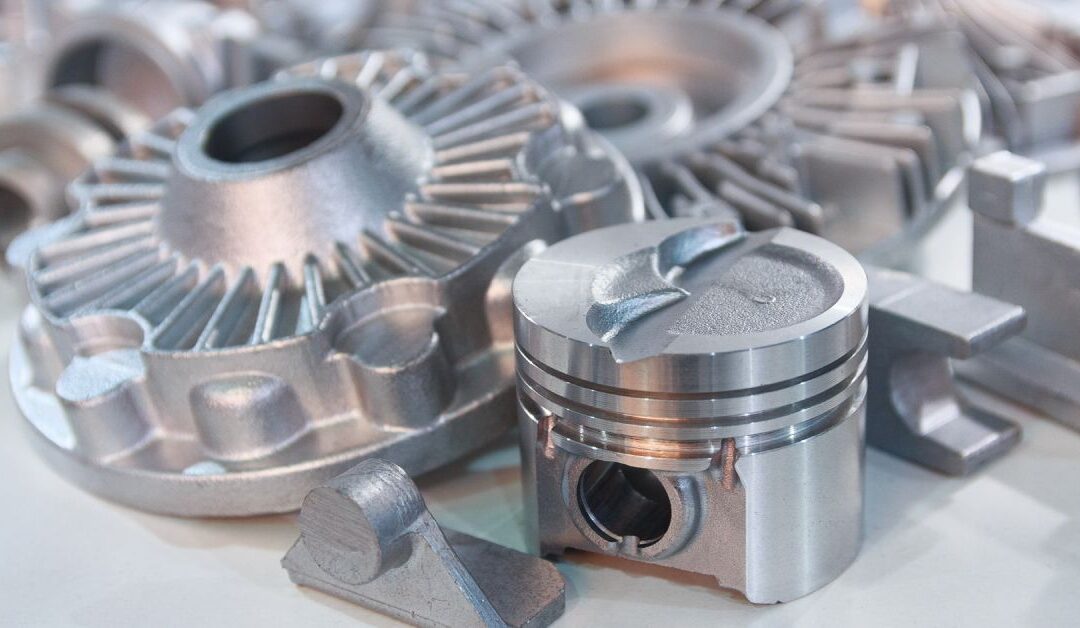
The benefits of aluminum castings make them extremely demanded throughout numerous industries, consisting of vehicle, aerospace, and customer items. In the automobile field, they are used for engine blocks, transmission situations, and wheels as a result of their light-weight nature, which improves fuel performance. Aerospace applications take advantage of light weight aluminum castings in architectural parts and real estates, providing strength while lessening weight, essential for flight performance.
In consumer items, aluminum castings are utilized in products such as cooking equipment and electronic enclosures, providing longevity and visual appeal (Aluminum Foundry). In addition, the electric sector employs aluminum castings for heat sinks and housings, making certain efficient thermal administration. The convenience of light weight aluminum permits intricate designs and complex geometries, additionally expanding its applications. Generally, the varied utility of light weight aluminum spreadings underscores their significance in modern manufacturing, adding to innovation and efficiency throughout these vital industries
The Manufacturing Refine of Aluminum Castings
Casting light weight aluminum entails a number of crucial steps that change raw metal into specific components. The procedure starts with the melting of aluminum scrap or ingots in a heating system, reaching temperatures around 1,200 ° F. When molten, the light weight aluminum is poured into a mold and mildew, which can be made from sand, steel, or ceramic, relying on the wanted specs.
After pouring, the steel cools down and solidifies, developing the shape of the mold and mildew (Wisconsin Aluminum Foundry). The next action includes eliminating the casting from the mold and mildew, which may call for added techniques to guarantee a smooth surface finish
Subsequently, any excess material or imperfections can be machined or ground off to achieve the final dimensions. Quality evaluations are after that performed to verify that the spreading meets called for standards. This precise procedure permits producers to produce components that are lightweight, look at this site resilient, and suitable for a variety of applications.
Choosing the Right Aluminum Spreading Solution
When choosing an aluminum casting solution, it is necessary to consider several aspects that can greatly affect the top quality and performance of the end product. The solution supplier's experience and knowledge in aluminum spreading play an important role in ensuring high-grade outcomes. Companies must evaluate the provider's profile and previous projects to determine their abilities.
In addition, evaluating the technology and tools utilized by the spreading service is essential, as contemporary machinery can boost accuracy and decrease preparations. Another key factor is the ability to offer tailored options tailored to particular job demands, which can greatly boost item efficiency.
Additionally, communication and client support ought to not be forgotten; a collaborative companion can facilitate smoother job implementation. Taking into consideration cost-effectiveness without jeopardizing quality is crucial for making a notified decision. By meticulously weighing these facets, producers can select a spreading service that finest satisfies their demands.
Future Fads in Aluminum Spreading Technology
As makers More Info significantly prioritize top quality and efficiency, innovations in aluminum spreading technology are readied to change the industry. Arising trends include the adoption of automation and robotics, which boost precision and lower human error in casting processes. Additionally, the integration of synthetic knowledge and artificial intelligence is anticipated to optimize production timetables and enhance quality assurance.
Sustainability stays a central emphasis, with developments in reusing methods allowing for a lot more efficient reuse of aluminum scrap, consequently reducing waste and energy consumption. Advanced simulation software application is additionally obtaining traction, allowing engineers to design and forecast casting efficiency prior to actual production, decreasing expensive errors.
The growth of brand-new alloys and progressed spreading approaches, such as 3D printing, will expand the possibilities for lightweight yet long lasting parts. Together, these trends indicate a dynamic future for light weight aluminum spreading, driven by technical advancements that focus on sustainability, efficiency, and item quality.
Frequently Asked Inquiries
Just How Do Light Weight Aluminum Castings Compare to Other Products?
What Are the Weight Limitations for Light Weight Aluminum Castings?
Weight restrictions for aluminum spreadings commonly rely on the style and application, but they usually sustain tons capabilities varying from a couple of ounces to a number of loads. Particular restraints emerge from elements like wall thickness and architectural stability.
Can Light Weight Aluminum Castings Be Repaired After Production?
Light weight aluminum spreadings can be fixed after manufacturing, using techniques such as welding or epoxy bonding. The usefulness of repair work relies on the degree of damages and the particular homes of the light weight aluminum alloy utilized.
What Finishes Are Readily Available for Aluminum Castings?
Different coatings are offered for aluminum castings, consisting of anodizing, powder covering, paint, and polishing. These coatings improve appearance, provide deterioration resistance, and enhance surface resilience, satisfying varied aesthetic and practical needs in producing applications.
How Do Ecological Laws Affect Aluminum Spreading Processes?
Environmental regulations significantly impact light weight aluminum casting procedures by mandating stricter exhausts controls, motivating recycling methods, and promoting lasting materials. These regulations oblige manufacturers to adopt cleaner technologies and decrease their environmental footprint in production tasks.
